
HPAI (Highly Pathogenic Avian Influenza)
SIGNs, SYMPTOMS & What to do
INFORMATION ON HPAI (highly pathogenic avian influenza)
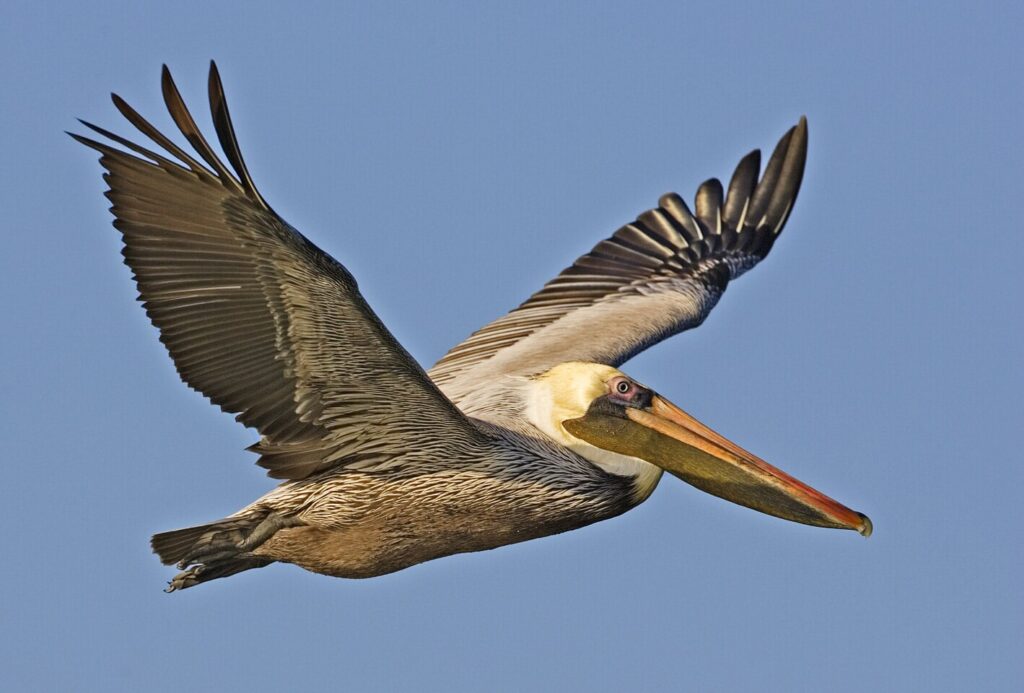
First detected at wildcare in october 2022, The HPAI virus is considered low risk to humans, but it is extremely contagious and deadly to certain birds including waterfowl (ducks and geese), domestic poultry (chickens, ducks, turkeys), pelagic birds (like pelicans and gulls), raptors (hawks and owls), corvids (crows and ravens), and vultures.
SYMptoms of HPAI in Birds
Symptoms of HPAI in domestic poultry include ocular and nasal discharge, sneezing, coughing, purplish discoloration of the combs and wattles, hemorrhages on skin of the legs and feet, weakness, neurologic signs, anorexia, diarrhea and sudden death. Symptoms in wild birds can include these but tend to manifest more as neurologic abnormalities such as paddling in circles, abnormal head and neck positioning, wing paralysis, tremors and lack of coordination. Some wild birds – primarily some species of waterfowl – can be infected with HPAI yet show no symptoms at all.
The virus is shed in bodily fluids and fecal matter, and can easily be transferred between birds through direct contact (bird to bird), or indirect contact with people and other animals, or objects like water, clothing, shoes, even vehicles that are contaminated with virus particles.
safely rescue a wild bird without potentially spreading HPAI:
Please follow these guidelines to prevent the risk of spreading HPAI between birds. These steps are especially important if you have backyard poultry.
Note: These measures are to keep birds safe. The HPAI virus is considered to be low risk to humans, but please consult your doctor or CDC guidelines if you have concerns.
• Wear gloves and/or use a towel or blanket when rescuing or handling any wild animal. Be careful to not wrap the animal too tightly, and do not place the animal in a container still wrapped in a towel or blanket. Overheating is a real danger for rescued birds. Wash your hands thoroughly with soap and water afterwards.
• Rescuers should call WildCare’s Hotline at 415-456-7283 before bringing a rescued bird to WildCare, so we can direct them as to current intake protocols.
• Anyone with pet birds and/or poultry at home, should not take a wild bird into their home. If you do, change your clothes before and after rescuing. Your clothing could transfer the virus from your birds to your rescued animal, or from the rescued bird to your poultry. Change your shoes BEFORE you come to WildCare.
• Place the animal in a disposable container like a cardboard box. Make sure the container has air holes already in it. Put a small towel or paper towel on the bottom of the container to prevent slipping. Bring the animal to WildCare as soon as possible.
• Questions? Call our Living with Wildlife Hotline 415-456-7283.
We at WildCare are saddened at the continued spread of this disease, which is deadly to birds and some mammals, and the impacts it will have on our beloved local wildlife.
How can you help prevent the spread of HPAI?
1. Be extremely careful if you have domestic chickens, turkeys or ducks. To prevent spreading the virus, there must be no contact between domestic birds and wild birds. Ensure that your domestic birds’ food and water are not accessible to wild birds, and keep your flock in a covered coop or run. The California Department of Food and Agriculture recommends moving domestic poultry indoors. Remove bird feeders and bird baths if you have domestic poultry. Have a set of clothes and, most importantly, a change of shoes that you wear ONLY to interact with your birds. Domestic fowl can both harbor and die from the virus, so preventing cross contamination between your animals and wildlife will help keep all of them healthy. Check with your veterinarian for additional information on protecting your birds, and preventing the spread of HPAI.
2. Although many songbirds do not seem to be heavily impacted by HPAI, corvids like crows and ravens, and raptors are. WildCare is only too aware of the risks of disease transmission at locations where birds congregate, including bird feeders. For this reason, WildCare and many of our partner organizations are currently recommending that people please take down bird feeders and bird baths until further notice.
3. Report sick and dead wild birds to the California Department of Fish & Wildlife using their online Mortality Reporting Form here.
4. Donate to WildCare. Readying ourselves to protect both our resident Wildlife Ambassador animals and the thousands of avian patients we admit to the Wildlife Hospital is a daunting task! Your donation now will help us handle the advent of HPAI, and be ready for the next emergency when it arrives. Thank you.
More information on HPAI
USDA Database of 2022 Detections of Highly Pathogenic Avian Influenza in Wild Birds
Press Release July 14, 2022- California Department of Fish & Wildlife
California Department of Fish & Wildlife: HPAI Update
CDC Update on Avian Influenza: March 7, 2022 Update: H5N1 Bird Flu Poses Low Risk to the Public
Media Coverage on HPAI
January 15, 2023 – Marin Independent Journal: Marin Voice “Bird flu in Marin is no joke”
January 8, 2023 – Marin Independent Journal: “Marin detects more cases of deadly bird flu”
November 3, 2022 – Marin Independent Journal: Marin gets first cases of highly contagious bird flu