
Youth Hospital Volunteers
GROWING THROUGH VOLUNTEERING
UNDER 18 & LOVE WILDLIFE? Become a youth WILDLIFE HOSPITAL volunteer!

WHAT YOU’LL LEARN AS AN UNDER-18 VOLUNTEER
• Species identification
• Hygiene and safety precautions and protocols
• Species-specific proper diet and food preparation
• Accommodating the feeding, cleaning and medication requirements of each wildlife patient
WHEN WE NEED YOUR HELP
Every spring and summer, WildCare experiences what is referred to as “Baby Season,” when our patient load soars with orphans and injured wildlife in need of care.
IT’S NOT GLAMOROUS WORK, BUT IT IS ESSENTIAL TO THE WORK OF THE WILDLIFE HOSPITAL
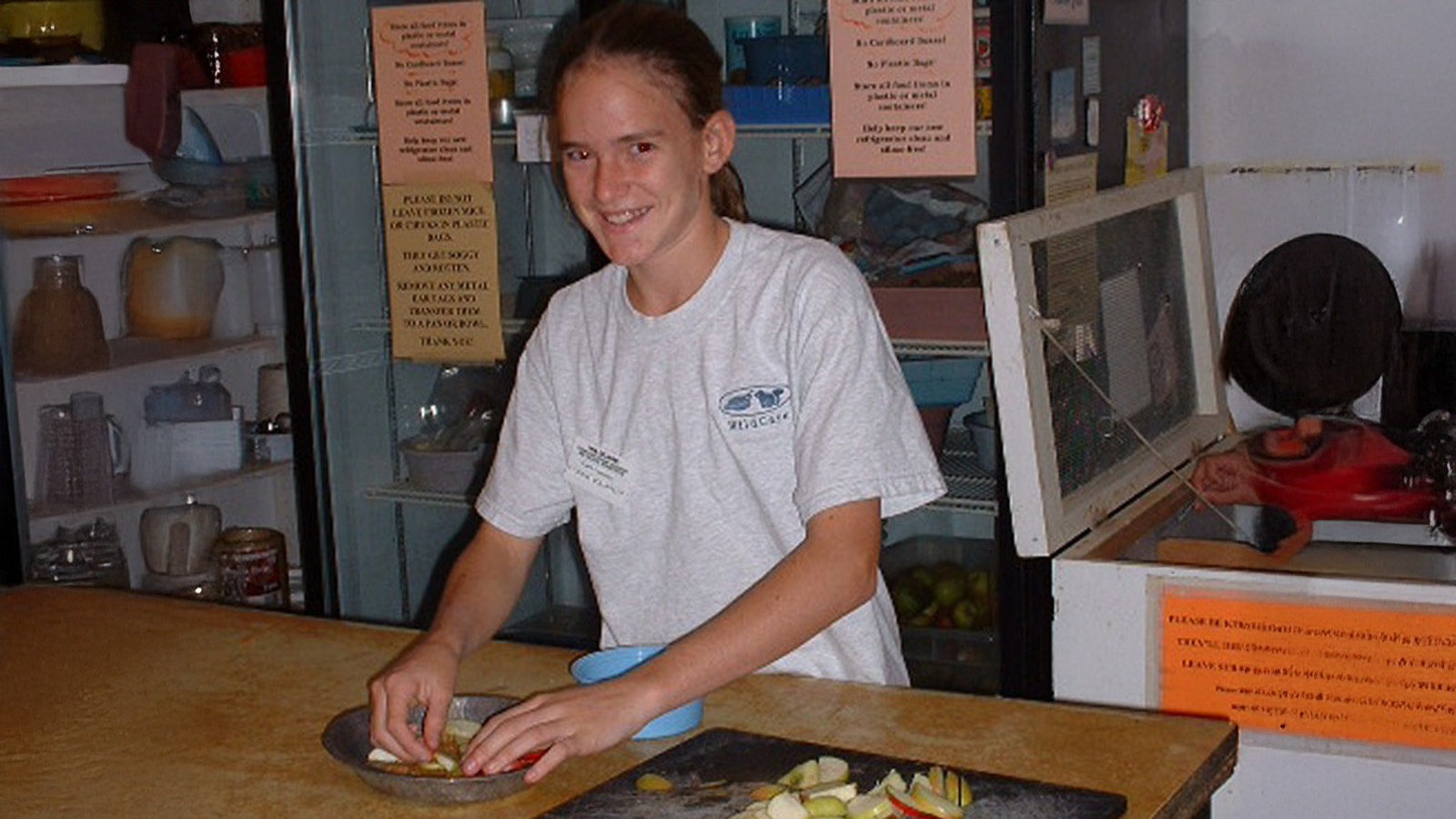
High school volunteers assist our adult Hospital Volunteers and Medical Staff with support tasks such as sweeping, mopping, laundry, dishes, patient diet prep and enclosure cleaning.
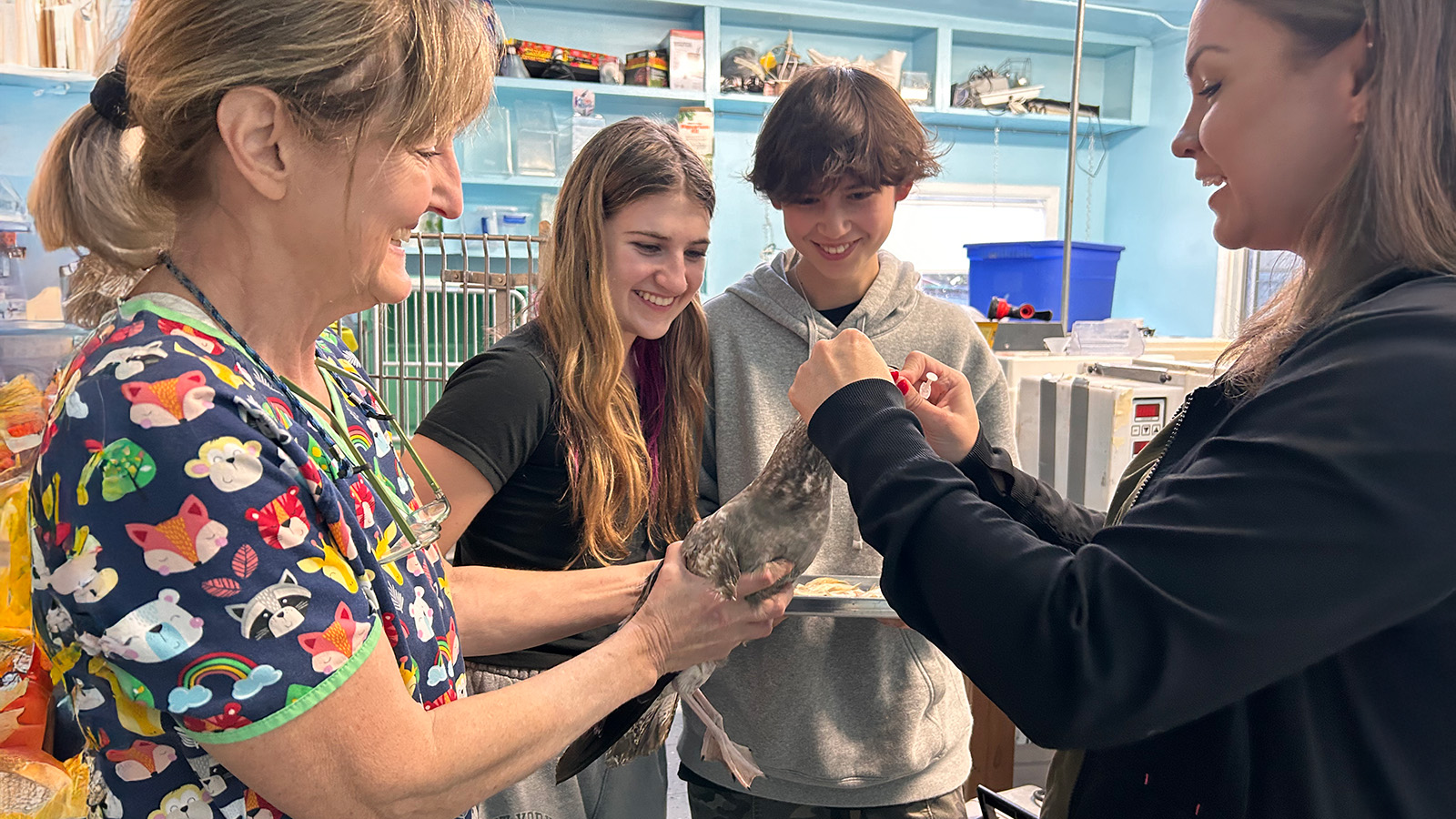
PLEASE NOTE: as a Youth Volunteer, you will be working within the Wildlife Hospital and will, at times, have the unique opportunity to see wildlife patients up close, but you will NOT be working hands-on with any animals.
GET YOUR FOOT IN THE DOOR FOR FUTURE OPPORTUNITIES!
Students who successfully volunteer in this program will be given priority when applying for an adult Hospital Volunteer position (18 years and up).
WildCare's 2026 Wildlife Hospital Youth application is now closed. Thank you for your interest in volunteering with WildCare! Please check back in early 2027 for future recruitment!
LEARN MORE ABOUT VOLUNTEERING:
STUDENT VOLUNTEER APPLICATION PROCESS
Youth wanting to become Wildlife Hospital volunteers must be able to meet the following requirements:
- You must complete all application materials and communications by yourself, independently (cannot be completed by parents).
- After submitting your application, you must attend the MANDATORY IN-PERSON ORIENTATION.
- Complete all online and in-person trainings
- Commit to one 4-hour weekly shift (or 1.5 hours for school days).
- Commit to a minimum of 6 months on the weekly shift (though we hope you’ll continue for many years to come).
Completed applications will serve as RSVPs for the youth volunteer orientation. Any additional questions you might have will be answered at the youth orientation.
Every spring and summer, WildCare experiences what is referred to as “Baby Season,” when our patient load soars with orphans and injured wildlife in need of care.
We will be looking for high school volunteers to assist our adult Hospital Volunteers and Medical Staff with support tasks such as sweeping, mopping, laundry, dishes, patient diet prep and enclosure cleaning.
It is very important to note: while Youth Volunteers will be working within the Wildlife Hospital and will, at times, have the unique opportunity to see wildlife patients up close, they will NOT be working hands-on with any animals.
The work all of our volunteers do is imperative in order to maintain and deliver our high level of care for our wildlife patients! This is a great opportunity to learn more about the behind-the-scenes operations of a Wildlife Hospital.
Students who successfully volunteer in this program will be given priority when applying for an adult Hospital Volunteer position (18 years and up).
COMMITMENT REQUIREMENTS
We always ask potential volunteers to seriously evaluate their schedules and other commitments before they join our volunteer team, because WildCare’s hospital is 95% volunteer driven and our wildlife patients depend on the volunteers for their food, caging and medical needs.
Volunteers are expected to attend their scheduled shift every week: missing a scheduled shift can impact our patients’ well being!
We require all incoming Youth Volunteers to commit to one weekly shift for a minimum of 6 months (or until school starts again in the fall).
Youth volunteer shifts are once per week (4 hours on weekends and over summer; 3:30-5pm on school days). Youth volunteers must be able to commit to one weekly shift for a minimum of 6 months (or until school starts again in the fall).
Note that, at any given time, some shifts may be full and not taking new volunteers.
VOLUNTEER CLOTHING
Volunteers are required to wear closed-toe shoes at all times.
Other clothing guidelines are at the volunteer’s discretion, but we recommend comfortable long sleeves and pants.
Always wear something you do not mind getting dirty! Work at WildCare is very hard on clothing. Most volunteers have separate clothing they change into when they arrive.
Medical scrubs are always a good choice.
HEALTH & SAFETY CONSIDERATIONS
Volunteering with wild animals involves some inherent health risks and WildCare is committed to minimizing or eliminating these risks.
The health and safety of our volunteers is our top priority. Protective clothing such as gloves, eye protection and face masks is required when handling many of our patients.
Volunteers who do not follow proper safety precautions in the hospital will be asked to leave WildCare.
- It is recommended that people with compromised immune systems DO NOT volunteer in wildlife rehabilitation.
- We recommend that anyone volunteering at WildCare inform their regular doctor that they are working with wildlife.
- Pregnant women are not allowed to volunteer with the animals at WildCare.
- Proper safety and hygiene precautions must be followed at all times.
- Volunteers are required to have a current tetanus vaccine, but no other vaccinations are required.
- Proper safety and hygiene precautions must be followed at all times, including all mask and social distancing protocols as outlined by WildCare, the Center for Disease Control, and Marin County.
- Volunteers are required to have a current tetanus vaccine, and COVID-19 vaccination is encouraged.
ZOONOTIC DISEASES
All animals can carry, contract and spread various diseases, and the wildlife we handle is no exception.
Although many diseases are species-specific, some may be transferred between species and to us.
Diseases we can contract from animals are called zoonotic diseases or zoonoses.
Zoonoses are a concern in wildlife rehabilitation. However, proper hygiene (washing hands before and after handling animals, eating, or using the washroom) and proper safety techniques (wearing gloves or masks as required) greatly minimize risk.
VOLUNTEERS WITH PETS
Some diseases that are not transmittable to us may be a danger to our pets. These are called epizoonotic diseases. Potentially sick wild animals must never come in contact with domestic animals. The following precautions should be considered:
- Be careful to change out of your volunteer clothing and wash well before going into pet-occupied areas of your home.
- A special pair of shoes should be set aside for exclusive use in the Wildlife Hospital.
- Volunteers with pet birds should take additional precautions as some avian conditions may be more easily transmitted between WildCare’s patients and pet birds. Wash hands frequently and well, change clothes before handling pet birds, and inform your supervisor and Medical Staff that you have birds so that your contact with contagious patients may be minimized.
With these precautions, the risks to you and your pets will be kept to a minimum.
Everyone at WildCare loves animals, and most of us share our lives with domestic animals.
With the precautions taken above, your pets (and ours!) will remain healthy and safe while you volunteer at WildCare.
